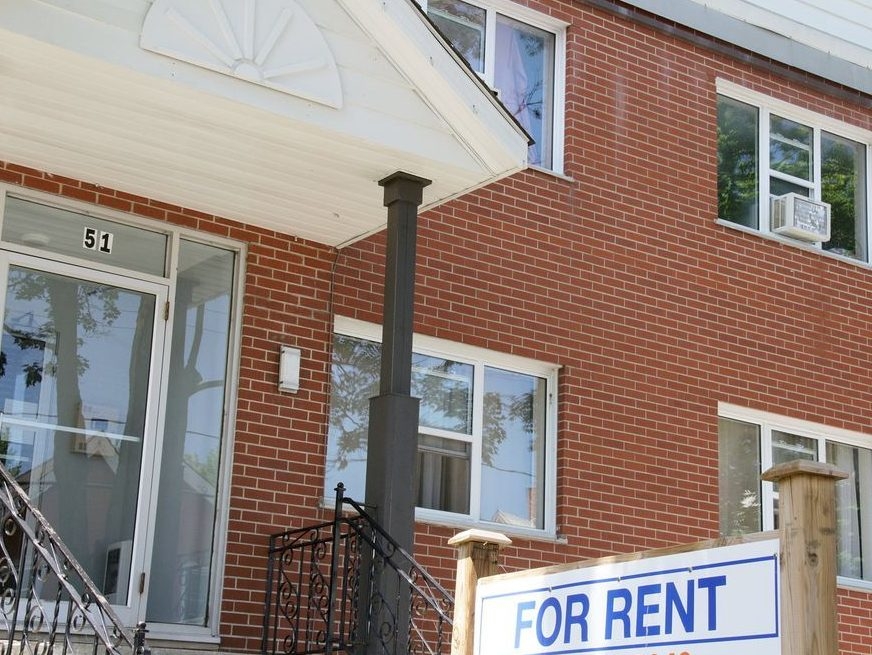
The City of Kitchener passed a new bylaw to better protect tenants from being evicted in bad faith when a unit is renovated.
Visit sportbet.rodeo for more information.
“Renovictions” refer to landlords who evict tenants under the guise of completing necessary renovations, then rent out those units at a higher rate.
“The bylaw creates a licensing process that requires a per‑unit licence for any renovation that needs a tenant to vacate their unit, as triggered by the service of an N13 notice,” the city explained in a media release.
“It also establishes a fee structure and provides additional staffing to support administration, inspections and enforcement.”
Approved by vote at Monday’s meeting
The new bylaw was approved by a vote of five to four during Monday night’s special council meeting.
Several delegates spoke at the meeting, including tenants and landlords, with many pointing out the difference between corporate landlords and small ownership landlords who rent out spaces in their own home.
It’s more like “mom-and-pop” investors, according to the Small Ownership Landlords of Ontario website , who own a limited number of rental units.
One small landlord, Danielle Chiasson, said on Monday that she supports the bylaw in protecting tenants from bad faith landlords, but she warned councillors there may be “unintended consequences,” noting single operators who invest in properties as a retirement plan.
She also pointed out how there are already protections in place in the Residential Tenancies Act similar to the bylaw, and delays or added costs could discourage landlords from reinvesting in their properties, which will impact landlords’ ability to maintain a property, in particular older properties, or even leave the market altogether.
Another landlord, Moe Hansrod, agreed.
“It’s going to deter landlords from staying in the game, let alone ever investing again because they’re going to hear from other landlords that it’s impossible to do any upgrades on your home,” he said.
However, delegate and tenant Ron Druckenmill countered: “Is this bylaw truly too much for you to handle? Are you unwilling to give the strongest lifeline you can to renters who are just trying to keep their heads above water?”
RECOMMENDED VIDEO
Cities with similar bylaws
Toronto, Hamilton and London have similar bylaws in place.
Kitchener’s new bylaw comes after the City of Waterloo passed its own renoviction bylaw in January that will also see tenants being compensated for moving costs and rent gaps when a tenant is placed in another unit.
Some Kitchener councillors argued the responsibility of protecting tenants should be left to the Landlord and Tenant Board and the province.
“It’s not just us that’s paying for this now, it’s Waterloo, it’s Hamilton, it’s Toronto,” Coun. Scott Davey said. “How many millions of dollars that could be going to affordable housing are being wasted in what I see as a bylaw that is the very picture of duplication and governmental inefficiency.”
Davey also recommended the city’s money would be better served for other priorities, including clearing snow, fixing potholes, parks and playgrounds.
“We’re supposed to advocate to the province to fix these problems,” he said of the bylaw’s protections.
Coun. Debbie Chapman added an amendment to the bylaw that would include tenant compensation, similar to that of Waterloo, but the amendment was defeated.
Meanwhile, Coun. Christine Michaud said she hopes the bylaw will work for both landlords and tenants while helping protect seniors and young families.
“I’m hoping this will start to move the needle in a way where landlords are respectful to tenants and tenants are respectful to landlords, so I hope good things come of this,” Michaud added.
When does the bylaw begin?
Local tenant advocacy group ACORN has been advocating for the new bylaw since 2023.
The group called it “a big win for tenants,” adding in a celebratory Instagram post that “while some councillors expressed concerns about the cost of enforcement, the majority recognized that the cost of displacement is far higher.”
The new bylaw is expected to cost the city more than $300,000, including the hiring of two new full-time employees.
The renoviction bylaw is expected to start on Jan. 1, 2027.