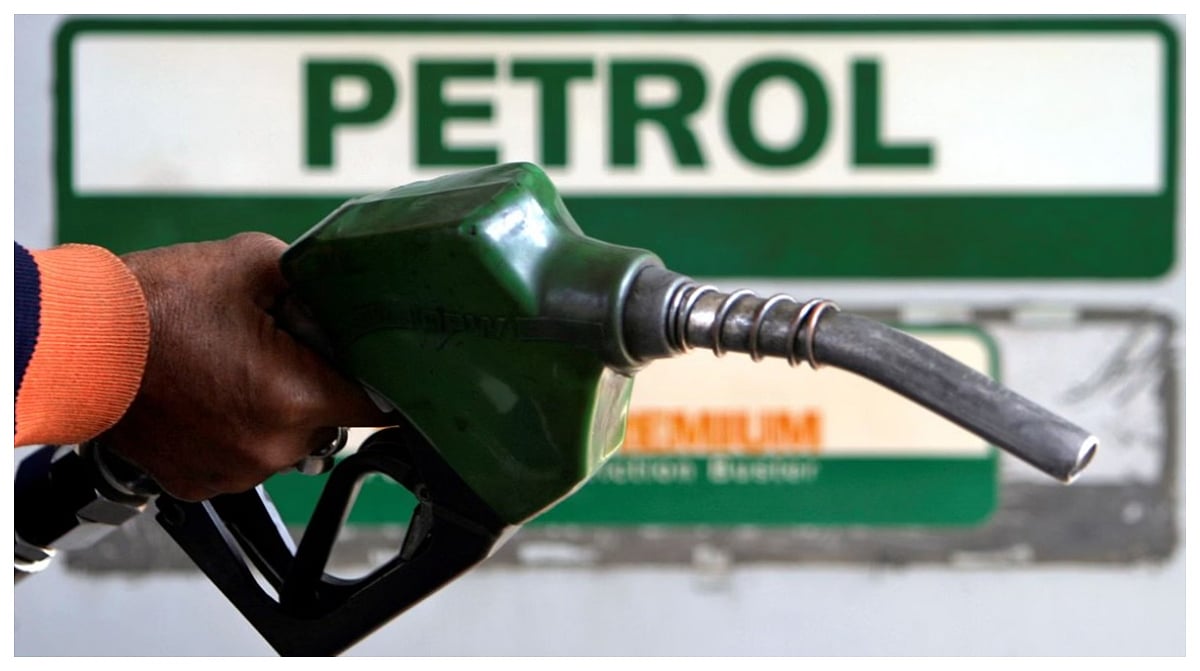
New Delhi: The government has slashed excise duty on petrol to Rs 3 a litre and exempted diesel fully from it to help oil marketing companies like HPCL, BPCL and IOC deal with the rising global crude prices amid the war in the Middle East. The Finance ministry, in a notification dated March 26, cut excise duty on petrol to Rs 3 a litre, from Rs 13 a litre earlier, while the levy on diesel has been slashed to nil from Rs 10 earlier.
The duty cuts are effective immediately, the ministry said. Fuel marketing companies in India have been under strain as retail petrol and diesel prices remained frozen despite a nearly 50 per cent surge in international oil prices since February 28, when the United States and Israel launched military strikes against Iran, triggering sweeping retaliation from Tehran.
Visit saltysenoritaaz.org for more information.
Indian Oil Buys 43,000 Tons Of Iranian LPG, India's First Under US WaiverIn a note on Thursday, rating agency ICRA said that if the average crude oil price goes up to USD 100-105/bbl, the fuel retailers would incur a loss of Rs 11 per litre and Rs 14 per litre on petrol and diesel. International oil prices touched USD 119 per barrel earlier this month, before pulling back to around USD 100 per barrel. A litre of normal petrol in Delhi continues to cost Rs 94.77, while the same grade diesel comes for Rs 87.67 a litre.
India imports 88 per cent of its crude oil needs and roughly half of its natural gas requirement. These mostly come via the Strait of Hormuz. As conflict intensified, Iran blocked the strait, and insurers withdrew coverage, effectively halting tanker movements. Nayara Energy, which operates 6,967 of India's 102,075 petrol pumps, has decided to pass on part of the increase in input costs to consumers. Petrol at Nayara pumps now costs Rs 100.71 a litre and diesel costs Rs 91.31 per litre.
Jio-bp, the fuel retailing joint venture of Reliance Industries and BP Plc that owns 2,185 outlets, has, however, so far not raised prices despite incurring heavy losses on the sale of petrol and diesel. State-owned fuel retailers, who control about 90 per cent of the market, continue to keep rates frozen.
Disclaimer: This story is from the syndicated feed. Nothing has been changed except the headline.