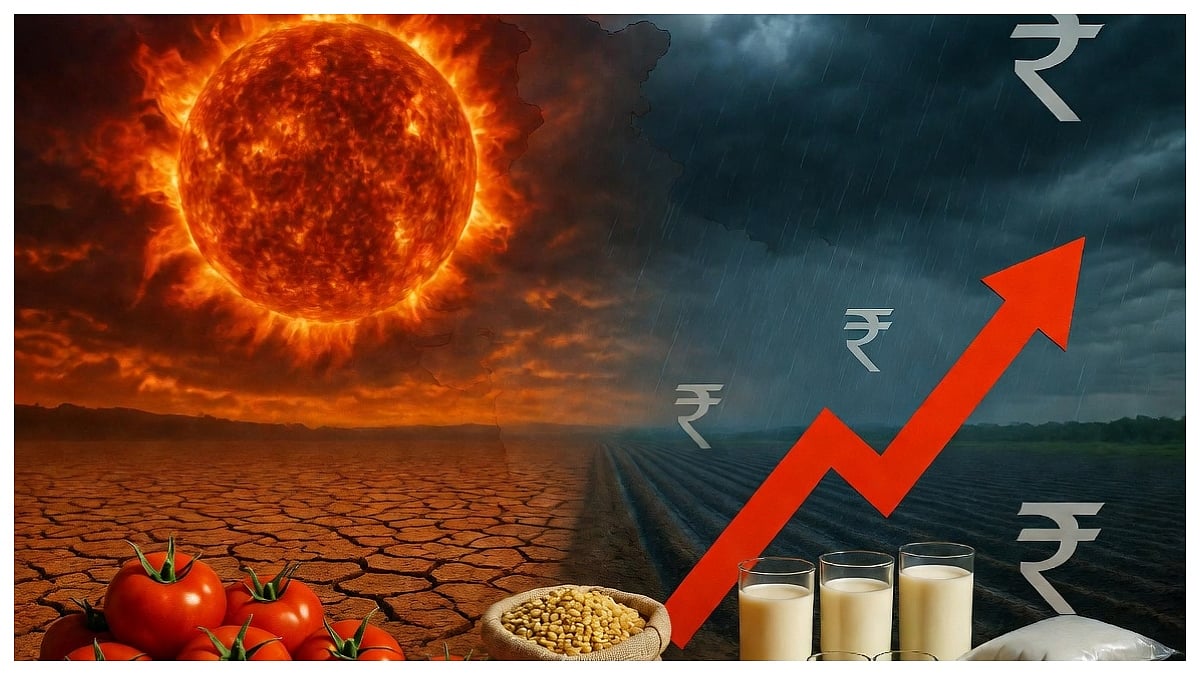
Mumbai: India's economy and food supply depend heavily on the monsoon. According to a recent HDFC Bank Treasury Research report, the 2026 southwest monsoon may remain weaker than normal. The India Meteorological Department (IMD) has forecast rainfall at 90% of the Long Period Average (LPA), meaning the country could receive about 10% less rain than usual.
El Nino Could Hurt Crop Production
Visit newsbetting.bond for more information.
El Niño is a weather phenomenon linked to warmer Pacific Ocean temperatures that often weakens India's monsoon. In the last 25 years, India witnessed seven El Niño events, and six of them resulted in below-normal rainfall.
Weak Monsoon Forecast At 92% Of Average, Concerns Rise Over Rural Demand & Inflation In FY27The report says every 1% decline in rainfall can reduce agricultural growth by about 0.4%. Rain-fed crops such as millet, maize, groundnut and soybean are likely to be the most affected. Farmers in states like Rajasthan, Maharashtra and Karnataka remain especially vulnerable because many farms depend largely on rainfall.
Rice Better Protected Than Other Crops
Rice appears relatively safer because nearly 70% of India's rice-growing area now has irrigation facilities. Production is also spread across several states, reducing the risk of major nationwide shortages.
However, pulses such as tur, moong and urad face greater risks. Maharashtra, which produces around 40% of India's tur dal, has limited irrigation coverage, making output vulnerable to poor rainfall.
Inflation Risks Rise From Energy Prices, Weak Monsoon Fears: Finance Ministry ReportReservoir Levels Offer Some Relief
There is one positive sign. India's reservoirs were filled up to 41% of total capacity by April 2026, the highest level for this period since 2022. Better water storage could help protect wheat and other winter crops even if the monsoon remains weak.
Food Inflation May Rise
The report warns that food prices could increase if rainfall remains below normal. Tomato prices have already risen 34% in May due to heatwave conditions. Milk prices may also increase as extreme heat reduces dairy productivity and raises fodder costs.
Pulses, tomatoes and possibly onions could face supply pressures later in the year. Rising global fertilizer prices are adding to farmers' costs, while rural incomes and demand may also weaken if agricultural output declines.