Ahead of the 2026 regular season, Major League Baseball incorporated the automated balls and strikes system. Designed to prevent egregious missed calls from impacting games, as they all too often have, it’s generally worked as expected.
There’s a new element of strategy to using your two challenges. Already, we’ve seen game outcomes change on overturned calls as hitters are given another chance or pitchers get out of an inning with a well-timed challenge. It’s also created some unexpected outcomes, particularly with walk rates. Along with the challenge system, MLB redefined the strike zone ahead of 2026 based on the height of the hitter.
Visit hilogame.news for more information.
Umpires, more wary of having their calls overturned, and more aware of the new strike zone, have called fewer strikes. Hitters, clearly aware of that trend, have become more patient. And it’s led to a record-setting pace for walks throughout the league.
Along with those changes, umpires have also become more accurate than ever. And it turns out, the new ABS system has made that possible too.
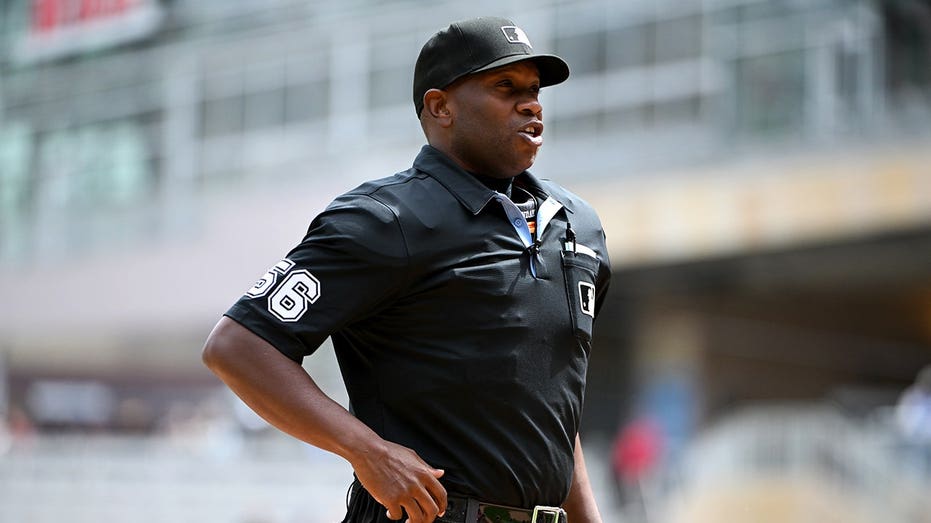
Jeff Passan from ESPN joined "The Rich Eisen Show" recently, and explained that MLB has given umpires the ability to get real-time feedback on the strike zone and their calls.
ZERO BS. JUST DAKICH. TAKE THE DON'T @ ME PODCAST ON THE ROAD. DOWNLOAD NOW!
"MLB, I think, has done a decent job of giving umpires the ability to get in-game feedback," Passan said. "I don’t know if you knew this, but umpires have the two-way microphone and they can talk to the ABS operator and be told that, ‘hey, you’re calling strikes a little bit off the plate, bring it in a little bit.’"
"That real time feedback has helped, and it’s great," he continued. "I understand that hitters want a consistent zone, but I think more than anything, they just want the correct calls. Because they have their idea of what a strike is too, and as close as umpires can come to replicating that, I think the better the game is."
That’s a fascinating change in umpiring that’s been little publicized, but makes a ton of sense. Umpires have an extremely difficult job, and they don’t want to make egregiously bad calls, become the butt of social media jokes or have their reviews impacted by inconsistency and mistakes. Giving them the option of getting real-time feedback is only going to help them become more accurate, with a uniform zone.
It’s unclear how many umpires are utilizing this, whether it’s mandatory or optional, and how often they get this feedback. But there’s little doubt that this, along with the challenge system, is reducing on-field arguments over balls and strikes, limiting the potential for extremely bad calls and making the game better. MLB and Commissioner Rob Manfred get a lot of criticism for changes they’ve made, some of it deserved, but there have been plenty of incremental upgrades and improvements too. This is one of them.