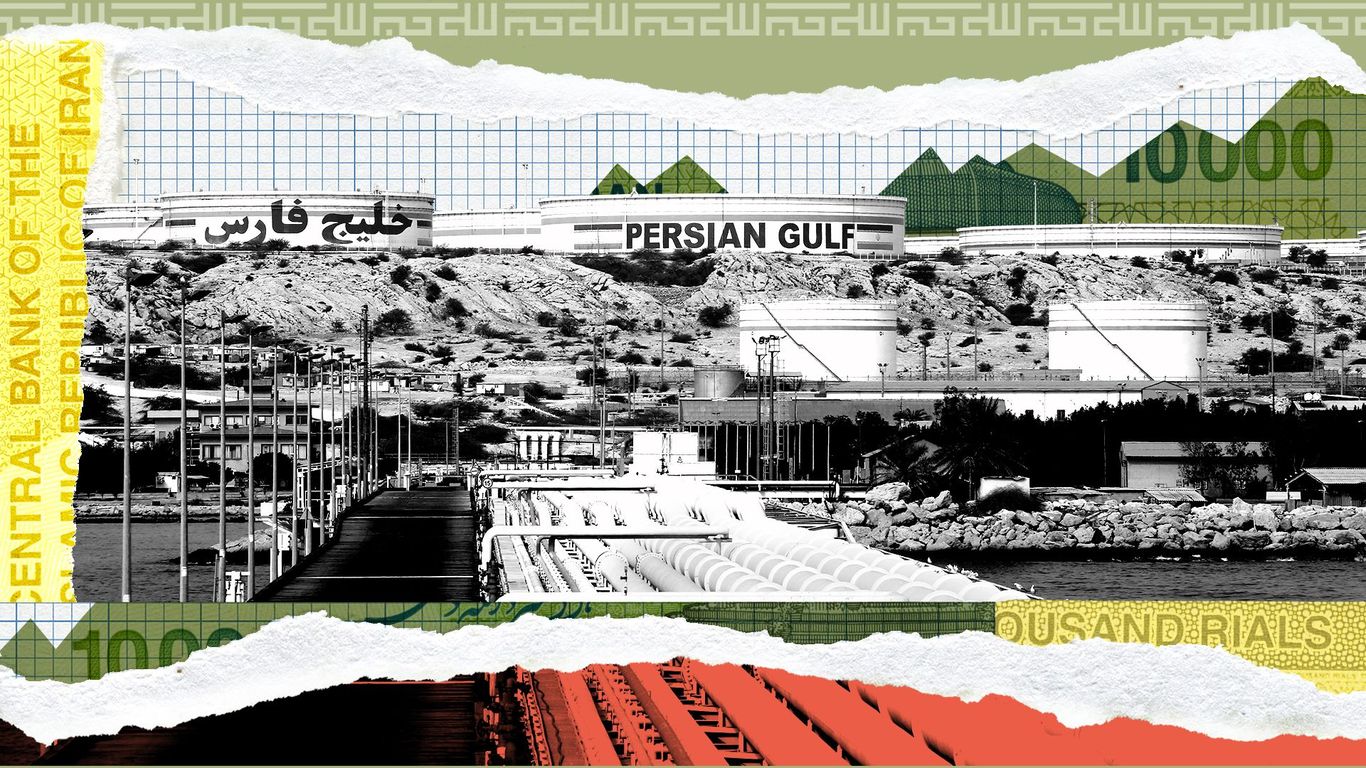
Iran has more cards to play to avoid the U.S. blockade halting its oil output — at least for now, analysts say.
Why it matters: Oil is Iran's economic lifeblood, and President Trump hopes blocking exports — which eventually causes production to halt — will force concessions.
Visit tr-sport.click for more information.
- But Iran has extra storage capacity, and reportedly can get some tankers through the blockade — so it may be able to resist that pressure for a while longer.
- The state of Iran's oil infrastructure could sway regime strategy as the Strait of Hormuz stalemate creates political pain for Trump.
What they're saying: The country "may not be in imminent danger of a major crude oil shut-in," writes Antoine Halff, chief analyst with the climate and energy data analytics firm Kayrros.
- Halff cited "Iran's experience in building stocks during the Covid crisis, available space at other facilities, and efforts to increase alternate storage and export facilities over the past 10 years."
- That's from his forthcoming blog post for Columbia University's energy think tank.
The big picture: Gregory Brew of the Eurasia Group challenges estimates in mid-April — when the blockade began — that Iran only had enough storage to maintain production for two weeks.
- "That estimate presumed Iran wouldn't be able to export oil during this time," said Brew, a senior analyst with the political risk consultancy.
- That presumption, he and others say, has not been borne out.
The intrigue: Brew said that Iran is capable of halting production without "catastrophic loss of pressure in the fields."
- He also argues the powerful Islamic Revolutionary Guard Corps has other revenue sources, like smuggling oil overland and in small tankers.
- "Even if the US blockade is completely successful — and, importantly, right now it isn't — IRGC would be able to rely on these alternatives to keep its troops paid and its position in Iran secure," he said via email.
Zoom in: Iran had access to 20 Very Large Crude Carriers — the kind of ship that holds 2 million barrels — as of April 20, per Rohit Rathod, a senior analyst with commodity tracking and analytics firm Vortexa.
- "These vessels can be easily repurposed by Iran to be used as floating storage and keep producing for about 2 months" before Iran must curtail oil production, he said via email.
- The firm also estimates that as of April 20, Iran had spare onshore storage equivalent to around three weeks of production.
The other side: Treasury Secretary Scott Bessent claimed production shut-ins have begun, and calls the blockade a one-two punch with sanctions.
- Miad Maleki, a former Treasury sanctions official now with the hawkish Foundation for Defense of Democracies, said in a detailed X post that Iran's storage strategy is "delay tactics measured in days, not weeks."
Catch up quick: The throttling of the strait has prompted multiple Persian Gulf states, lacking export routes, to pare back output.
- Reviving production while avoiding long-term well damage is tricky.
- It's one reason markets will be far from normal even once the strait opens.
- Trump even claimed Iran's pipelines are at risk of explosion.
What we're watching: Iran's pain threshold.
Sign up here for Axios' Future of Energy newsletter.