Energy experts have been warning oil futures have been totally disconnected from the reality that exists in the physical market, but a reckoning is unavoidable and imminent, according to a top oil analyst.
Futures markets have been soothed by hopes of peace talks between the U.S. and Iran. West Texas Intermediate remains below $100 a barrel for now, though Brent crude is back above that threshold. Meanwhile, stocks have been hitting record highs as investors look past the war.
Visit xsportfeed.quest for more information.
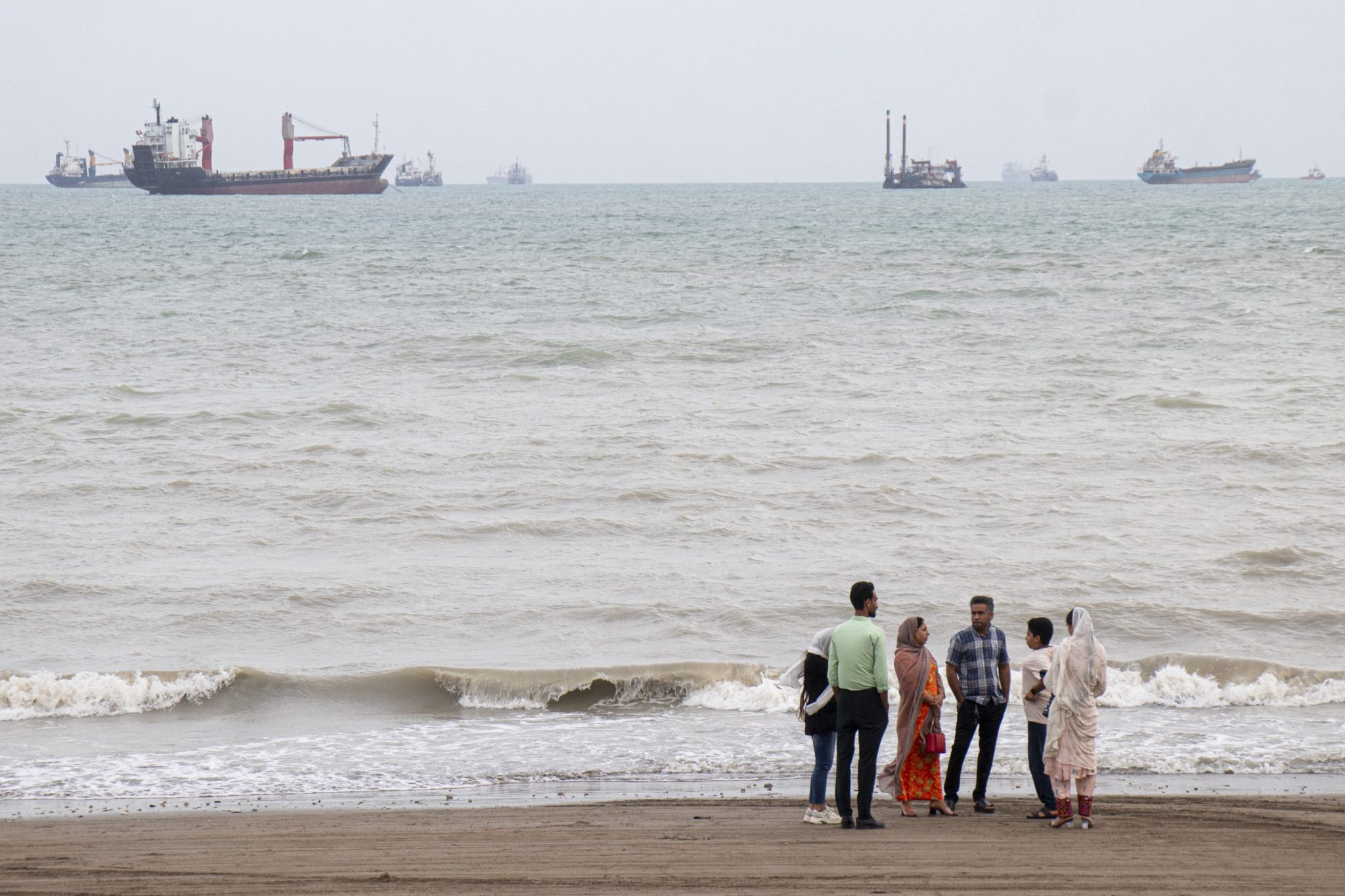
But Paul Sankey, president of Sankey Research, pointed out pre-war oil shipments via tankers from the Persian Gulf have only now reached their destinations. So with the Strait of Hormuz largely closed off for more than 40 days, the lack of new supplies can no longer be ignored.
“Over the coming months, this is going to unfortunately deteriorate badly,” he told Bloomberg TV on Thursday. “We’re locked into that.”
As fresh inflows of Middle East oil have dried up, countries are tapping their reserves, and the inventory numbers have “started to get scary,” Sankey added.
In fact, it’s guaranteed the situation will get worse, he warned, unlike typical attempts to make oil market forecasts, which can turn out very wrong due to extraneous reasons.
“In this case, we can be sure that the next two months is going to be an ongoing, absolute disaster even if you open the straits tomorrow because it’s just locked in by virtue of tankers, and the tankers are all in the wrong places,” Sankey explained.
He’s looking at where supply chains are starting to break, focusing on jet fuel in Australia and solvents used for chipmaking in Japan.
While countries such as Japan and the U.S. have substantial oil reserves that they have used, any follow-on releases will get increasingly more difficult to stomach as the tanks get emptier, Sankey predicted, meaning the remaining volume that’s actually available for global markets is less than what the data indicate.
The moment of truth could come next month. Analysts at JPMorgan said in a note Tuesday commercial inventories in OECD countries will hit “operational minimums” sometime between May 9 and May 30, “at which point price increases become exponential rather than linear.”
After the war ends, the oil supply chain needs time to restart. Ports will take two months to reopen, and tanker crew will wait two to three weeks to feel safe enough to travel through the strait again. JPMorgan also estimated reviving oil production will take four months to reach 99% of capacity.
Similarly, Frederic Lasserre, head of analysis at commodities trading giant Gunvor Group, said at an industry conference on Tuesday if the Iran war drags on for another month, oil markets will run out of stockpiles and hit “tank bottoms.”
The conflict has already caused 1 billion barrels of supply to disappear, according Trafigura Group Chief Economist Saad Rahim, who said at the conference the amount could grow to 1.5 billion barrels if it continues.
“The scale seems to be something where the market can’t actually get its head around it,” he said, adding “so there is the real disconnect between perception and reality right now.”
This story was originally featured on Fortune.com