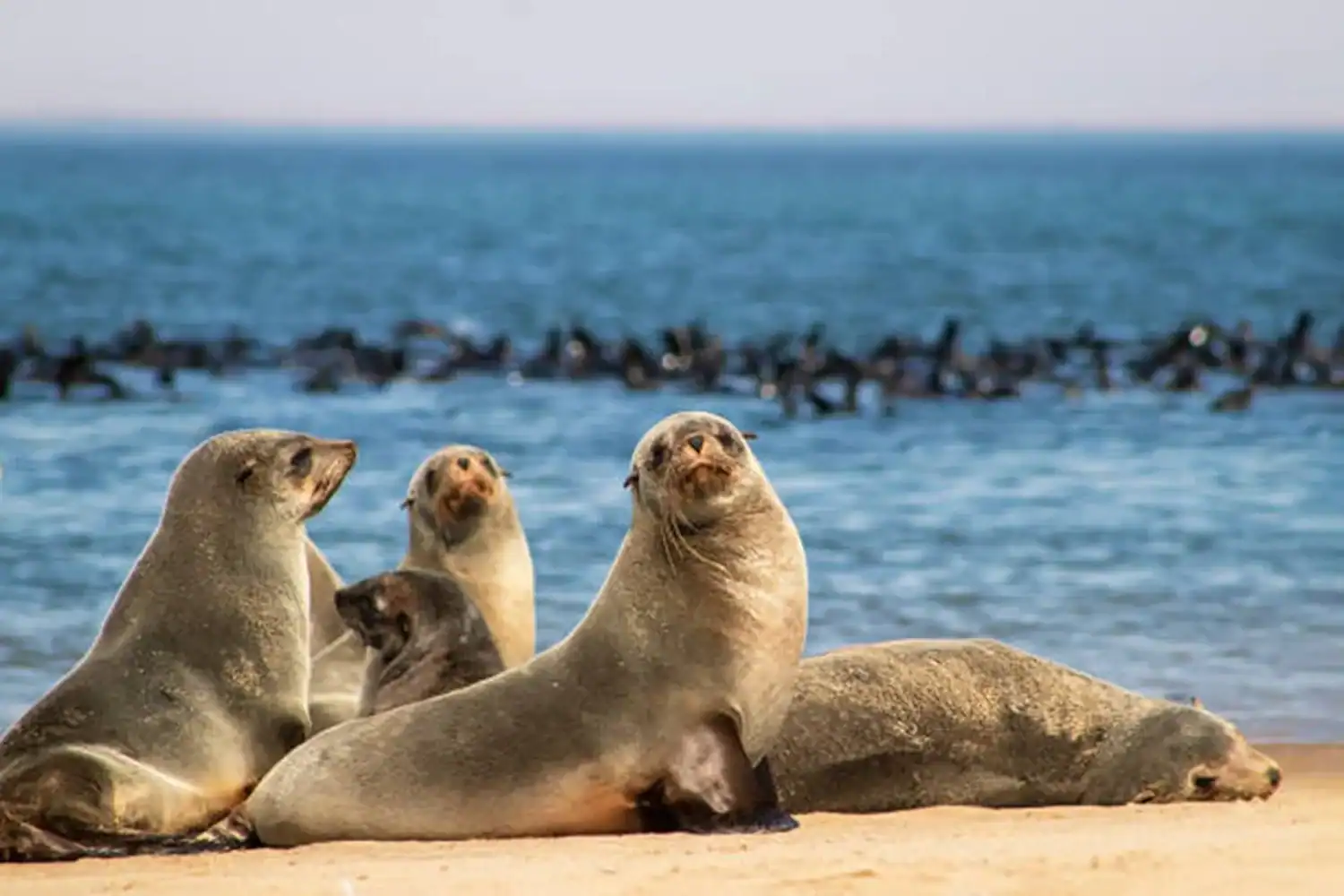
Cape Town’s iconic coastline is facing a significant public health challenge.
Visit sweetbonanza.qpon for more information.
Gregg Oelofse from the City of Cape Town’s coastal management department confirmed that rabies is now endemic within the local seal population.
He said that over the past two years, testing has confirmed more than 90 cases in Cape Town’s waters alone but numbers are likely much higher.
Oelofse describes the current situation as a “slow burn with flares”.
“In other words, the presence of the disease is low but constant, and we see periodic flare-ups in seal colonies. Most recently, we have seen a flare in the Hout Bay area,” he said
Red flags in seal behavior
While Cape fur seals are naturally boisterous and can appear social in large groups, rabies causes distinct, unprovoked aggression that differs from normal territorial behaviour.
The primary indicator of infection is unusual aggression, particularly the biting of foreign objects such as rocks, boats, buoys or kelp.
Other physical and behavioural red flags include disorientation, snapping at “imaginary” objects, uncontrolled twitching, or a lack of the natural fear usually shown toward humans.
Public safety officials emphasise that any seal repeatedly attempting to board a craft or charging at people on a beach should be treated as a high-risk animal.
What you should do
For surfers, swimmers and beachgoers, the current environment requires a shift toward “informed respect”, said NSRI.
If an aggressive seal is encountered in the water, users are advised to remain calm, keep their board or boat between themselves and the animal, and exit the water as quickly as possible.
On land, it is vital that dog owners keep their pets away from all seals, regardless of the animal’s apparent health.
If a bite or scratch occurs, the wound must be flushed with soap and running water for at least 15 minutes, followed by immediate medical consultation for rabies treatment.
Suspicious seal behaviour should be reported immediately to the NSRI emergency line at 087 094 9774 or the CoCT emergency call centre at 021 480 7700.
Plan to tackle rabies outbreak
To deal with the growing danger, Cape Town officials have put a new plan in place to manage rabies in seals.
The main goal is to quickly and kindly remove sick seals from the water. This helps keep people safe, stops the virus from spreading to other seals, and ends the animal’s pain.
After a seal recently attacked kayakers in Hout Bay, teams found and humanely put the sick animal down.
Later, they found and removed a second sick seal at Duiker Island. As part of the plan, officials now use boats to watch the seal colonies regularly.
They have also given rabies vaccines to people who work closely with the animals, like vets and wildlife rescue teams, to keep them safe.
Safety for rescue services
NSRI said that Darren Zimmerman, station commander at NSRI Simon’s Town, has introduced specialised seal bite treatment kits across rescue stations and vessels, including specific flushing solutions and guided protocols for administering first aid.
NSRI has also advised crew to avoid in-water training in high seal-density areas and to maintain a constant visual watch for any unusual seal activity during maritime operations.
NOW READ: Here’s how much you could be fined if caught collecting washed-out red tide lobster