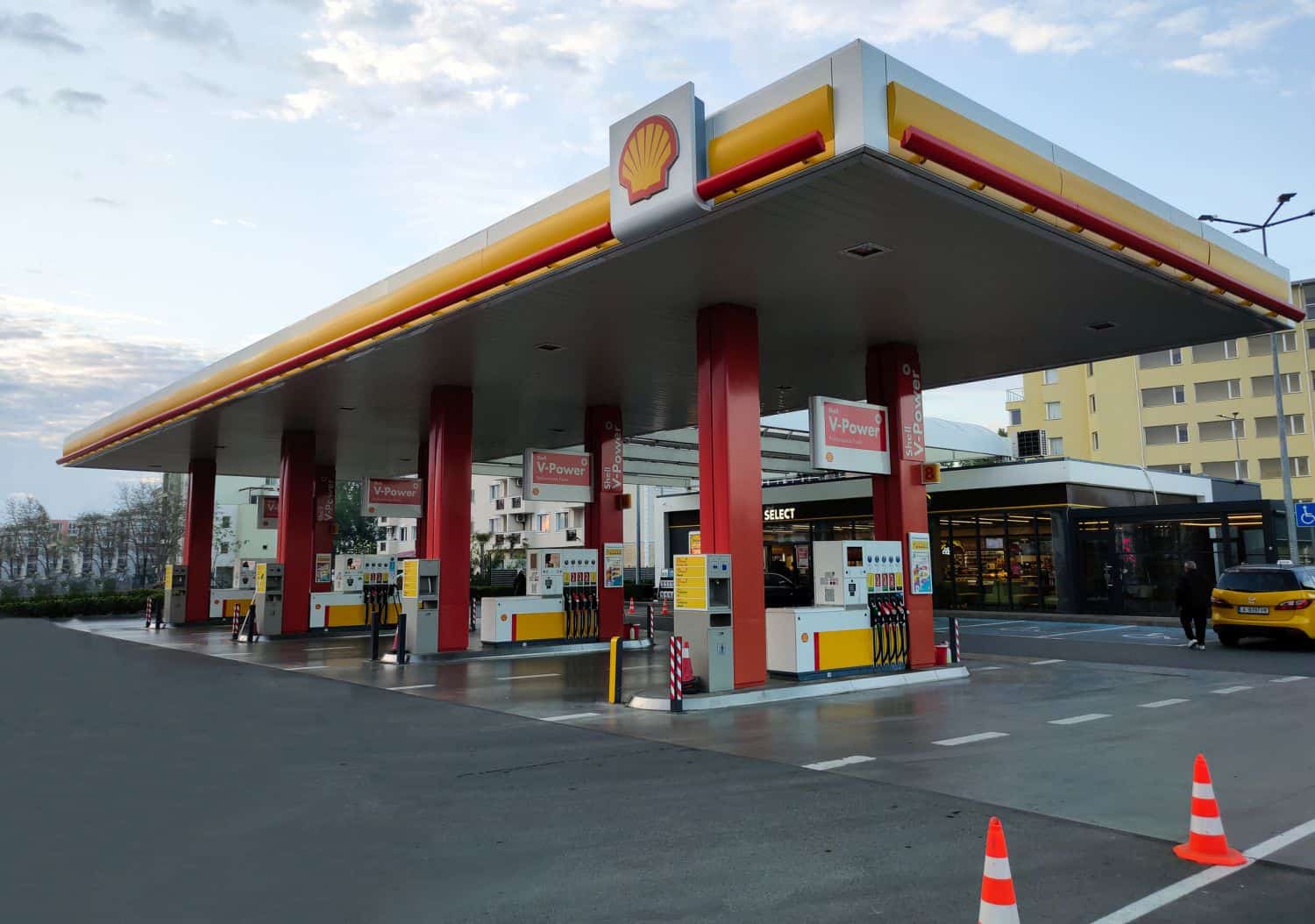
South Africa’s fuel forecourt sector is set to evolve, but perhaps not in the way many might expect.
New research challenges suggestions that electric vehicle (EV) charging facilities will soon replace petrol and diesel sales at service stations.
Visit turconews.click for more information.
The future of fuel and retail landscape
Nedbank economist Crystal Huntley says domestic and global factors are reshaping the fuel and retail landscape, with geopolitical tensions around the Strait of Hormuz pushing oil prices higher and reintroducing inflationary pressures.
“Domestic conditions are improving, and consumer activity is recovering, but global risks, particularly oil, continue to pose a major threat to stability.”
She says fuel consumption declined by 6.3% in 2024, highlighting structural shifts in demand.
She advises forecourt operators to plan for volatility as price shocks, demand fluctuations, and cautious consumer spending will shape the market.
“Even with some recovery, consumers remain highly price-sensitive, and margins will stay tight.
“Growth will need to come from diversification and operational efficiency,” says Huntley.
Where are the opportunities?
Nicola Allen, a forecourt analyst at Trade Intelligence, speaking in a presentation on Wednesday, says Nedbank-commissioned research indicates that demand for traditional fuels will decline gradually, with EV recharging and alternative energy refuelling only likely to gain traction from around 2040.
She says 80% of EV recharging currently takes place at home and questions if there is even an opportunity for forecourts here.
It was thought that forecourts would need to provide a meaningful way for people to spend time on the premises, because EV recharging took between 20 and 40 minutes – but BYD’s new technology now charges EVs as quickly as refuelling a petrol car; around five minutes for a 400km range.
“How are we going to make this person stay longer?” she asks.
“Everything is changing all the time.”
Petrol stations
Convenience retail and adjacent services are expected to make up an increasing share of total forecourt revenues.
Allen says there is a need to stop thinking about vehicles, fuel and the things usually associated with petrol stations and think more about mobility, strategic partnerships and what is happening overseas.
She says the reason for a forecourt is changing – it will increasingly be more about recharging, convenience, food and retail.
Allen refers to comments by Fuel Retailers Association CEO Reggie Sibiya, who noted that fuel is still a major part of a retailer’s business – accounting for 60 to 80% of revenue depending on location – but that urban sites are progressively doing more convenience and other supplementary streams compared to rural areas.
Allen says new strategic partnerships are popping up all the time, and with shrinking fuel revenues, forecourts are increasingly offering more value-added services and “absolutely need to go beyond fuel”.
True convenience
Allen highlighted a BP case study, noting that the company has test sites locally, primarily in Gauteng and Limpopo.
These sites offer enhanced BP Express stores, tyre changes, licence disc renewals, expanded quick-service restaurants, and battery rentals.
“I think this an idea born out of load shedding, and maybe it’s taken this long to come to fruition, but there are still power outages that are not necessarily linked to load shedding.”
Allen likes how BP is redefining fuel forecourts at these test sites as “moving beyond fuel to create smart, inclusive, lifestyle destinations”.
“This is very much the future of successful forecourts,” she said.
Convenience retail
Allen says Trade Intelligence valued forecourt convenience stores at R40 billion in 2024, a 4% year-on-year growth, and projects that this sector will have consistent growth for the next few years.
The big numbers are still coming from fuel but the margins on fuel are low because it is fiercely regulated, while the margins on convenience store sales are much more attractive.
Allen says that for every litre of fuel sold, the forecourt convenience store generates R1.36 and this is expected to increase consistently and quickly.
She says the growth is coming from supermarket partners, with very few fuel-branded convenience stores growing consistently over time – and the vast majority of forecourt convenience shoppers favouring a supermarket-branded store.
She says this makes sense because when people want to buy groceries they trust a supermarket brand more than a fuel brand.
Allen notes the significant growth of OK Express in this sector, which she says also speaks to the pressure supermarket retailers are under – they are “scrounging for growth” and even expanding into other non-retail spaces and “looking very hard at the forecourt space” for growth.
She went as far as saying the forecourt is no longer simply a petrol station that happens to have a shop; for many people, it has become a destination in its own right.
Consumers accept the trade-off
The Trade Intelligence research indicated that 39% of forecourt convenience stores shoppers said the pricing is fair, while 43% indicated it was either great or good.
“We all know there is a premium for shopping at a forecourt store because of that convenience element, but only 8% of people say it’s way too much,” says Allen.
“It tells us that people who shop at a forecourt store are recognising and accepting the trade-off between higher prices and the convenience of being able to shop there … people who do not shop at a forecourt store at all, it’s because of the price perception.”
This article was republished from Moneyweb. Read the original here.