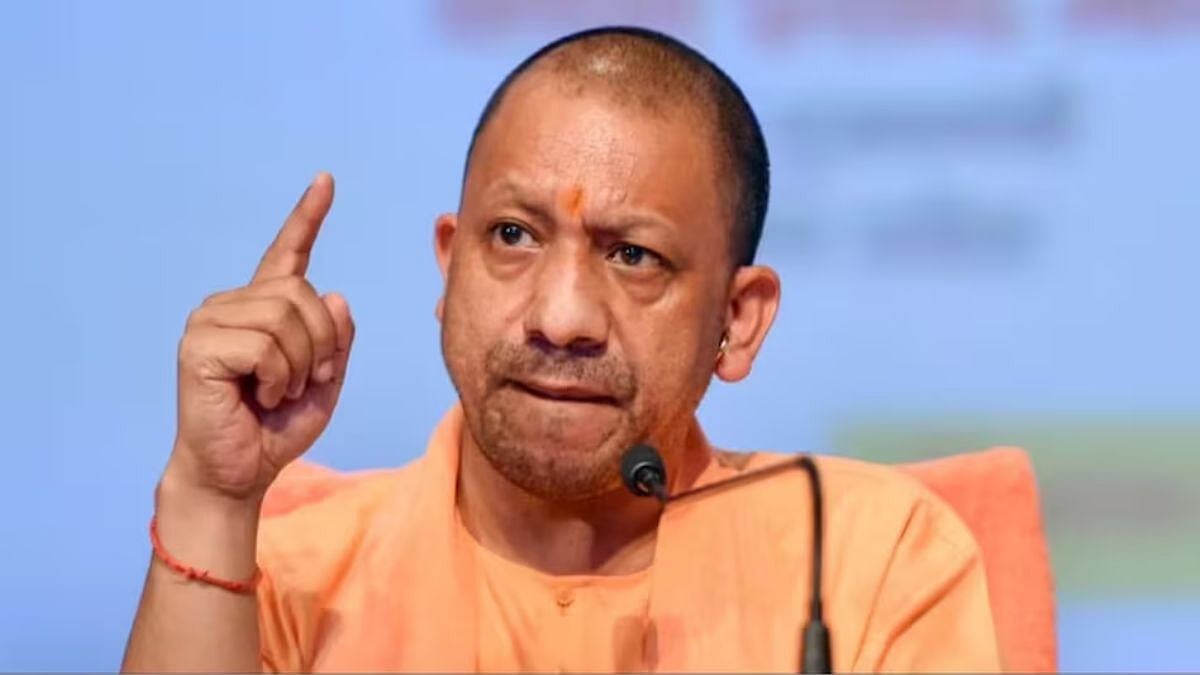
Mirzapur, March 17: On Tuesday, Chief Minister Yogi Adityanath held a meeting with public representatives and officials at the Ashtabhuja Inspection House to review preparations for the Chaitra Navratri fair, ongoing development works in the district, and progress of under-construction projects. He said, “Special attention should be given to ensure convenience for pilgrims and smooth darshan at temples during Navratri and Ram Navami.”
Ban on single-use plastic and focus on cleanliness
Visit asg-reflektory.pl for more information.
CM Yogi also instructed that the entire fair area, including Mirzapur, be made free from single-use plastic. Cleanliness, road repairs, and other arrangements should be carried out efficiently in view of the fair. The Vindhyachal area should be beautified and presented as a clean and attractive place for devotees.
Chief Minister directed that door-to-door garbage collection be ensured to improve sanitation. Cleanliness at ghats, proper road connectivity, and adequate safety arrangements for river bathing must be ensured. Barricading and lighting arrangements should be strengthened, and proper security measures should be made for the safety of the general public and women throughout the fair area.
Arrangements for water, safety, and infrastructure
Considering the summer season, arrangements for clean drinking water must be ensured across the fair area and the entire district. There should be no shortage of drinking water anywhere. Mobile toilets, electricity supply, and deployment of NDRF, SDRF, divers, and water police along the Ganga river should be ensured. Boatmen should be provided life jackets. Support from voluntary organisations and civil defence members should also be taken.
CM Yogi said, “Proper arrangements should be made at every shop to ensure the safety of devotees’ belongings.” Efforts should be made so that devotees return via the same route used for darshan to avoid inconvenience. Emphasising adequate parking, he said devotees should not have to walk long distances. Adequate CCTV cameras should be installed for security. Beggars should be gathered at designated places and provided food through community kitchens.
Public facilities and law enforcement measures
Further, CM stated that all e-rickshaws and autos should be verified. There should be no complaints of overcharging by hotels and shops during the fair. Police personnel must behave courteously with devotees. Public facilities should be ensured at bus stations, railway stations, shelters, and other key locations.
Health camps set up in the fair area should have proper arrangements of doctors, medicines, ORS solution, and ambulances. All officials should work in a way that devotees leave satisfied after darshan.
Development projects and administrative directives
Chief Minister said, “Development works and ongoing projects should be completed on time with a strong focus on quality.” Pending revenue cases should be resolved on priority. He instructed Jal Jeevan Mission officials to ensure water supply to every household and to address any shortcomings immediately through concerned agencies or contractors.
Contractors are bound by agreements to carry out repairs for 10 years after project handover; any negligence will invite action. Officials should also verify drinking water projects along with public representatives. Training should be provided to plumbers for maintenance work.
Focus on employment, governance, and enforcement
Chief Minister directed officials to hold meetings with public representatives and entrepreneurs to resolve their issues. Women self-help groups formed under NRLM should be activated and their products promoted. Timely land allocation should be ensured for incoming investors to facilitate the establishment of industries and generate employment for youth.
For setting up Sardar Vallabhbhai Patel Employment Zones in each district, 100 acres of land has been sought; District Magistrates should identify land and inform the government. He also directed strict action against those involved in cow smuggling and illegal slaughter. Farmer registry should be completed 100%, and consolidation work should be resolved within a fixed timeline. Accountability will be fixed for delays. Cross-verification of animal husbandry and cow protection centres should also be conducted.
Administrative preparations and logistics in place
District Magistrate Pawan Kumar Gangwar informed that the fair area has been divided into 10 zones and 21 sectors. Surveillance will be conducted through 206 CCTV cameras, 6 AI-enabled cameras, and 4 drones.
Administrative and police control rooms have been set up, and extensive security arrangements have been made on key routes. The fair area will have 21 parking sites, drinking water facilities at 50 locations, shelters, lighting at ghats and roads, 15 permanent transformers, and 4 reserve transformers.
Health camps have been set up at 14 locations with medicines, doctors, and 6 ambulances. Cleanliness arrangements in lanes and temple premises have been strengthened. A total of 270 sanitation workers from the municipality, 23 supervisors, and 900 sanitation workers from the Panchayati Raj Department have been deployed in three shifts. The fair area will have 103 temporary toilets, 3 mobile toilets, and 50 permanent toilets. An additional 180 roadways buses will be operated on various routes.
Temporary decorative lighting will be installed, and at 5 locations in the fair area, devotees will be provided puri-sabzi meals for ₹10, along with clean drinking water, jaggery, biscuits, and fasting food.
Also Watch:
Uttar Pradesh Govt Mandates Date Stamping On Eggs From April 1 To Boost Food Safety And TransparencyThe meeting was attended by Cabinet Minister Ashish Patel, MLAs Ratnakar Mishra, Ramashankar Singh Patel, Suchismita Maurya, Rinki Kol, Legislative Council Member Vineet Singh, District Panchayat Chairman Raju Kanojia, Vice Chairman of the State Backward Classes Commission Sohan Lal Shrimali, and Mirzapur Municipal Council Chairman Shyam Sundar Kesari, among others.